Our Story
Heritage, kept in use.
RangSa began with a simple observation: the art forms our grandmothers drew from memory are now something most of us only see in photographs.
Our Philosophy
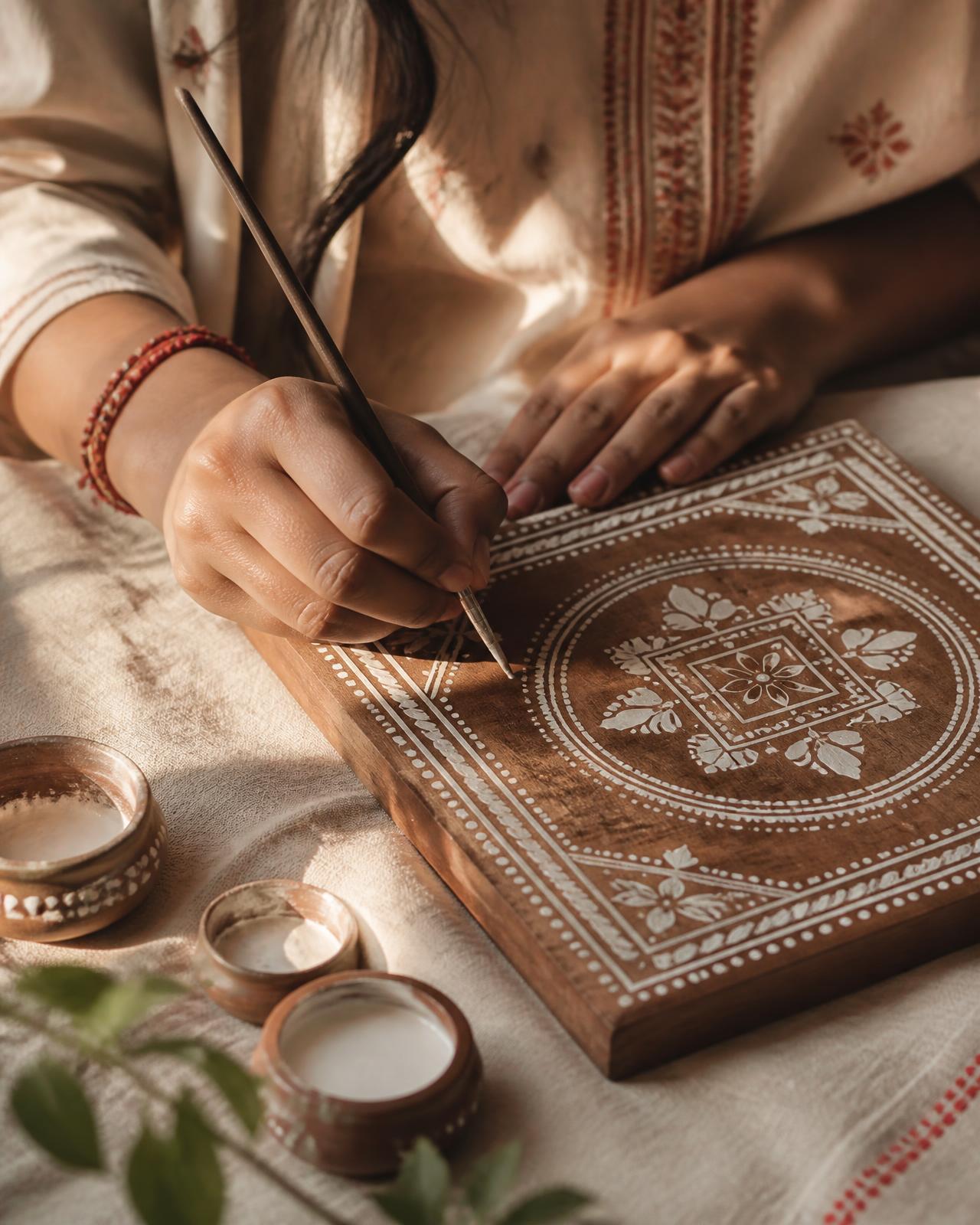
Heritage survives when it is practised. So we don't sell finished artwork — we hand over the pigments, the guide lines and the story, and leave the making to you.
How We Work
Each kit is developed with practising artists, tested by first-timers, and packed in India in small batches. Nothing plastic, nothing wasteful, nothing that pretends tradition is decoration.
Why RangSa
Made slowly, kept for long
Learn
Discover the story behind the art.
Create
Make it yourself instead of simply buying it.
Connect
Experience Indian heritage in a personal way.
Keep
Turn the finished artwork into something meaningful.
The Journey
From wall paintings to your table
- 01
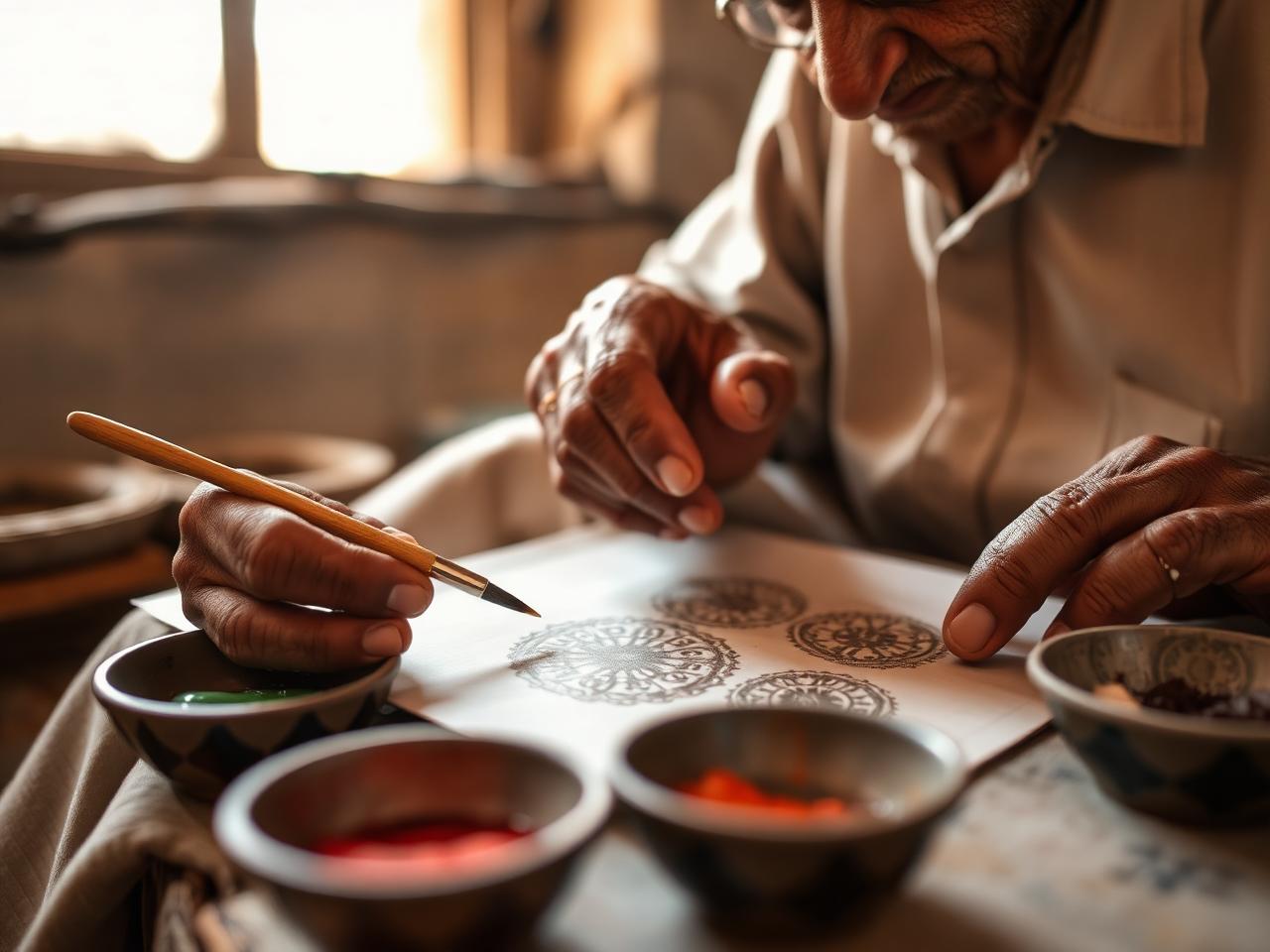
Tradition
An artisan, a brush and a form with centuries behind it.
- 02
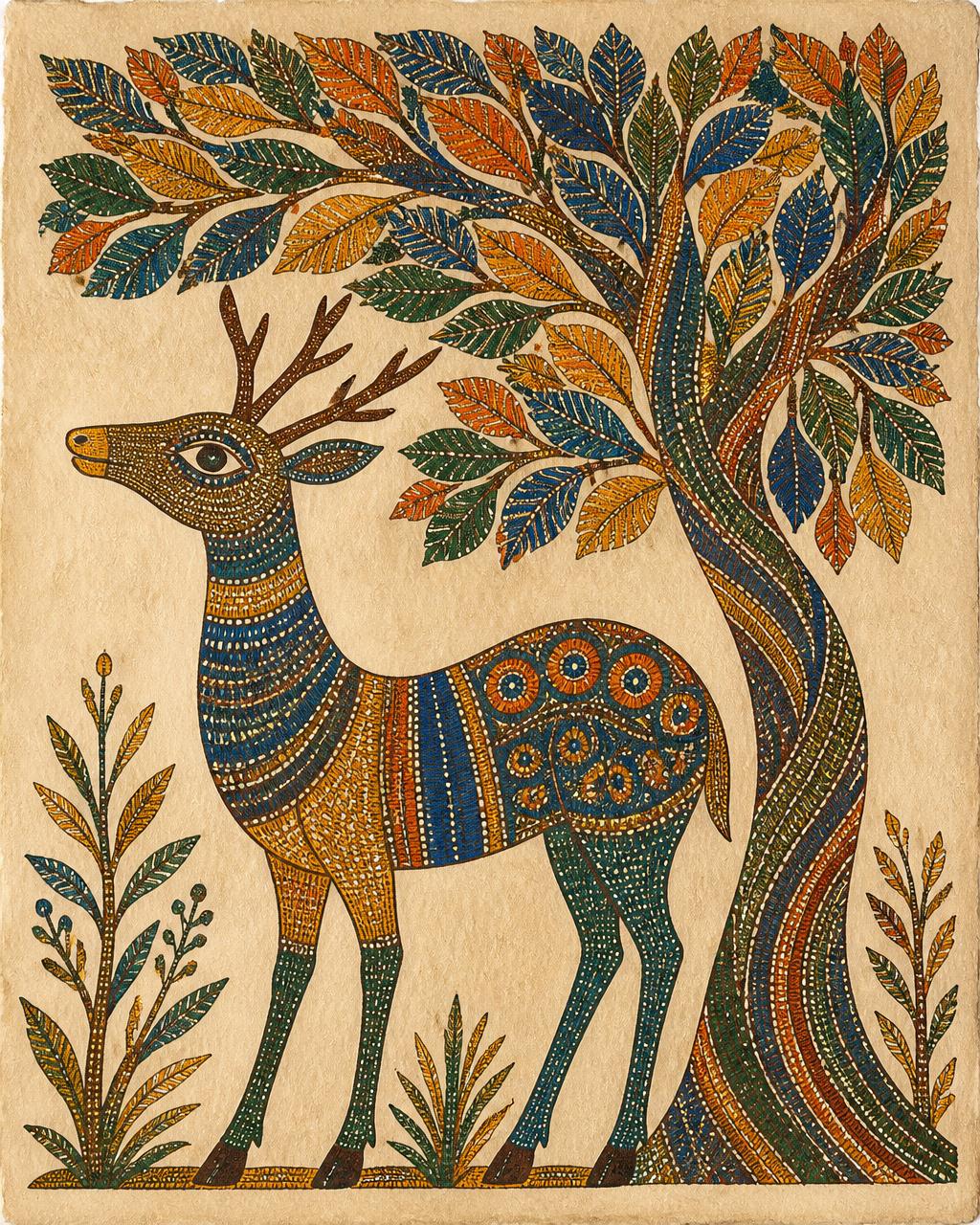
Story
Where the art comes from, and why it was painted.
- 03
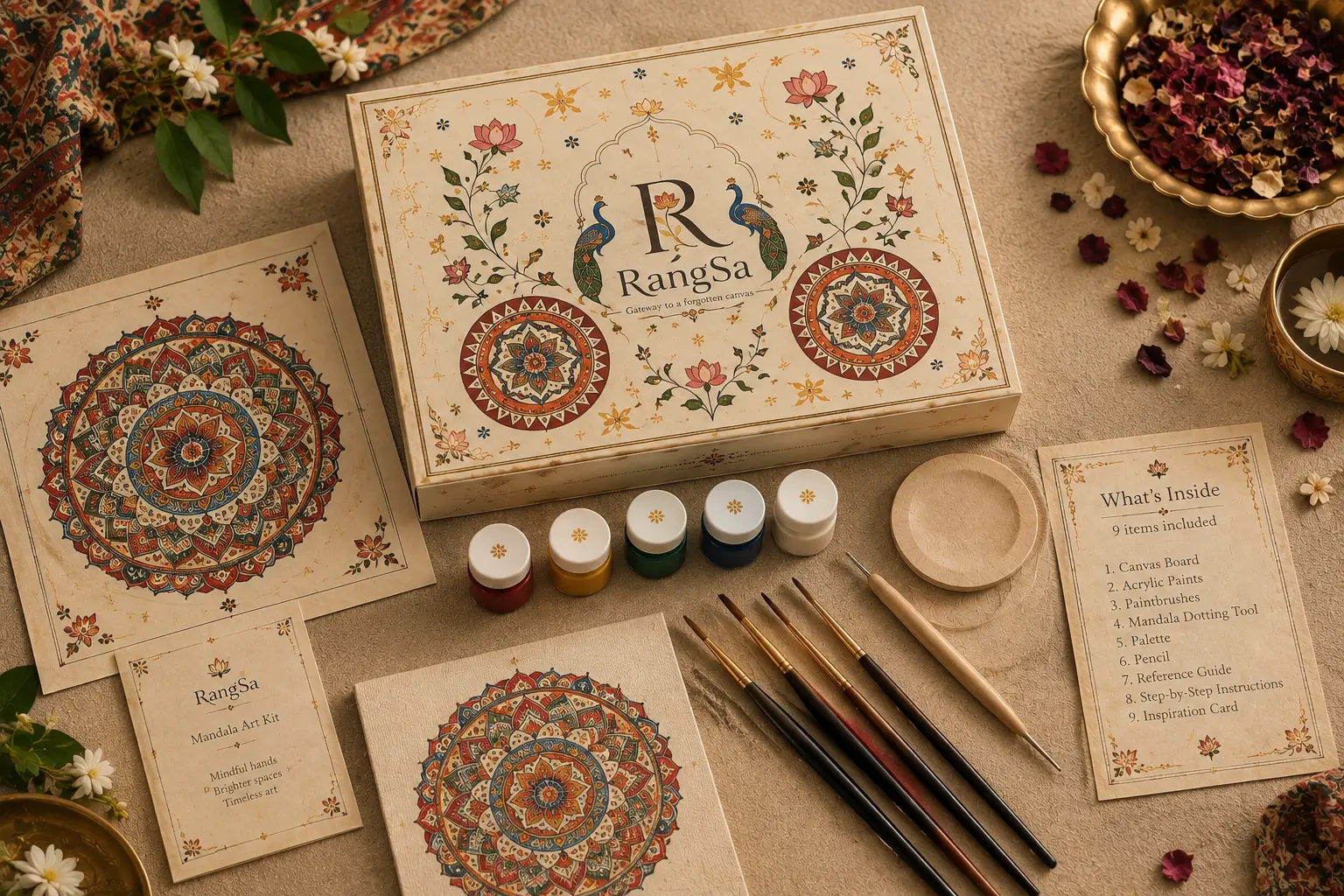
The Kit
Pigments, brushes, surface, guide lines — all in one box.
- 04
You Create
Something finished by your own hand, and kept.